

January 8, 2025
The ultimate guide to choosing the right incoterm for your shipment in 2025
The ultimate guide to choosing the right incoterm for your shipment in 2025
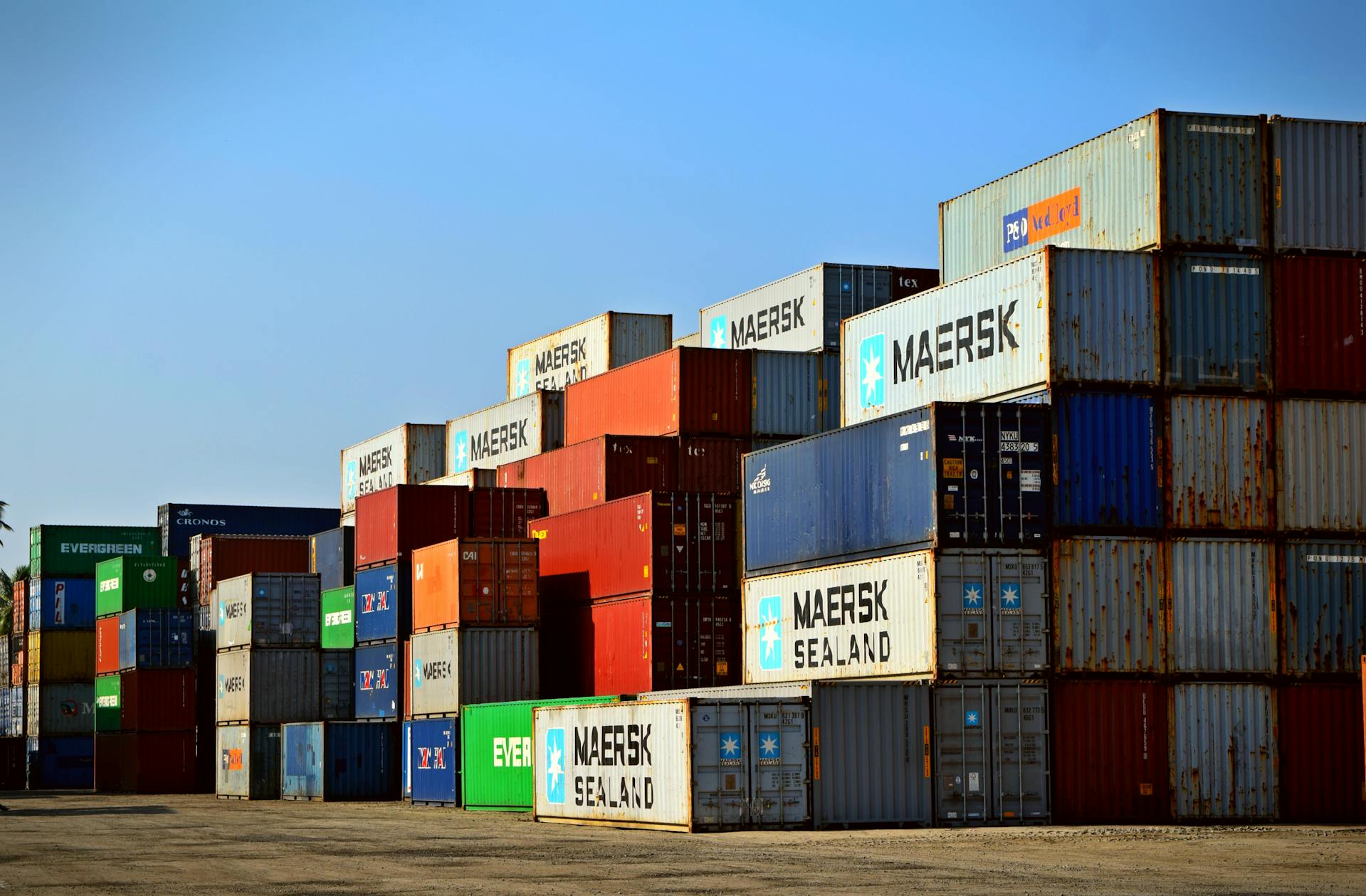
Incoterms are the backbone of global trade. Whether you're a first-time exporter or a multinational distributor, the Incoterm you choose can impact your pricing, risk exposure, delivery timelines, and customer relationships. As shipping rules evolve in 2025, choosing the right Incoterm is more critical than ever.
Understanding the Role of Incoterms
Incoterms define:
Who pays for transportation
Who carries the risk at each stage
Who handles customs documentation
Where responsibilities transfer from seller to buyer
These rules reduce confusion and ensure both parties are aligned before cargo moves.
Key Factors to Consider When Choosing an Incoterm
1. Your Level of Experience
New exporters often choose Incoterms with fewer responsibilities, such as EXW or FCA, while experienced exporters may handle CIF or DAP.
2. Buyer and Seller Negotiation Power
A seller offering end-to-end logistics may select DDP, while buyers who prefer control may opt for FOB or CFR.
3. Destination Market Complexity
Some countries have strict import procedures. Choosing an Incoterm where the buyer handles customs clearance may reduce risk.
4. Cargo Type
For fragile, hazardous, or temperature-sensitive goods, choosing terms that ensure proper handling and insurance is essential.
Best Incoterms for Different Scenarios
Best for Small Exporters: FCA, FOB
Best for Large Exporters: CIF, CFR
Best for E-commerce & SMEs: DAP
Best for Maximum Control: EXW
Best for High-Value Goods: CIP
Selecting the right Incoterm reduces risk, enhances customer satisfaction, and ensures smoother trade operations. Falcon Freight’s specialists can guide you in choosing the ideal term for your cargo.
Incoterms are the backbone of global trade. Whether you're a first-time exporter or a multinational distributor, the Incoterm you choose can impact your pricing, risk exposure, delivery timelines, and customer relationships. As shipping rules evolve in 2025, choosing the right Incoterm is more critical than ever.
Understanding the Role of Incoterms
Incoterms define:
Who pays for transportation
Who carries the risk at each stage
Who handles customs documentation
Where responsibilities transfer from seller to buyer
These rules reduce confusion and ensure both parties are aligned before cargo moves.
Key Factors to Consider When Choosing an Incoterm
1. Your Level of Experience
New exporters often choose Incoterms with fewer responsibilities, such as EXW or FCA, while experienced exporters may handle CIF or DAP.
2. Buyer and Seller Negotiation Power
A seller offering end-to-end logistics may select DDP, while buyers who prefer control may opt for FOB or CFR.
3. Destination Market Complexity
Some countries have strict import procedures. Choosing an Incoterm where the buyer handles customs clearance may reduce risk.
4. Cargo Type
For fragile, hazardous, or temperature-sensitive goods, choosing terms that ensure proper handling and insurance is essential.
Best Incoterms for Different Scenarios
Best for Small Exporters: FCA, FOB
Best for Large Exporters: CIF, CFR
Best for E-commerce & SMEs: DAP
Best for Maximum Control: EXW
Best for High-Value Goods: CIP
Selecting the right Incoterm reduces risk, enhances customer satisfaction, and ensures smoother trade operations. Falcon Freight’s specialists can guide you in choosing the ideal term for your cargo.

Related posts
Explore more insights.



Let’s move the world together.
Whether it’s a single shipment or a full-scale logistics partnership, Falcon Freight delivers seamless solutions built on trust and expertise.

Let’s move the world together.
Whether it’s a single shipment or a full-scale logistics partnership, Falcon Freight delivers seamless solutions built on trust and expertise.